would Style Coloring Pages
3 AI-generated color inspirations for "would" theme coloring pages and artwork
Explore 'Would' Coloring Pages for Every Imagination
When it comes to coloring, the 'would' style opens up a world of imaginative possibilities. It encourages artists of all ages to explore their creativity through dreamy scenarios and whimsical drawings. This type of coloring page often depicts what could be or what might happen in a magical world, inviting colorists to contribute their own unique interpretations and brush strokes. Whether you're a child daydreaming of fantastical adventures or an adult looking to escape reality, these pages ignite inspiration with each stroke of color.
Color Palette Suggestions
Selecting the right colors can drastically enhance your 'would' themed coloring experience. Here are some suggestions to get you started:
- Soft Blue
- Pale Pink
- Sunshine Yellow
- Mint Green
- Lavender
- Coral Red
- Sky Grey
Tips for Coloring in the 'Would' Style
To truly bring your 'would' coloring pages to life, consider these practical tips:
- Experiment with blending colors to create transitions, which adds depth to your art.
- Use different shading techniques to highlight certain areas, making your images pop.
- Don't shy away from unconventional colors; let your imagination run wild.
- Consider incorporating patterns and textures with fine lines or dots for intricate details.
- Take your time! Enjoy the process rather than rushing to complete the page.
Who is this Theme Perfect For?
The beauty of the 'would' thematic coloring pages is that they cater to everyone! Here’s a brief overview of who will find joy in this style:
- Kids: Perfect for sparking imagination and storytelling.
- Adults: A fantastic way to unwind and engage in mindfulness.
- Beginners: Simple enough for newcomers, yet open-ended for creativity.
- Art Lovers: A great way to explore artistic styles without pressure.
In closing, the future of coloring lies in the power of AI to generate unique 'would' themed pages tailored to your preferences. With the ability to create stunning designs, AI helps you discover new avenues of creativity and inspiration. Step into a world of colorful imagination and let your creativity flow!
Would Color Gallery & Examples
All Would Color Inspirations
Visual Coloring
Aug 28, 2025
User's Prompt/Instruction:
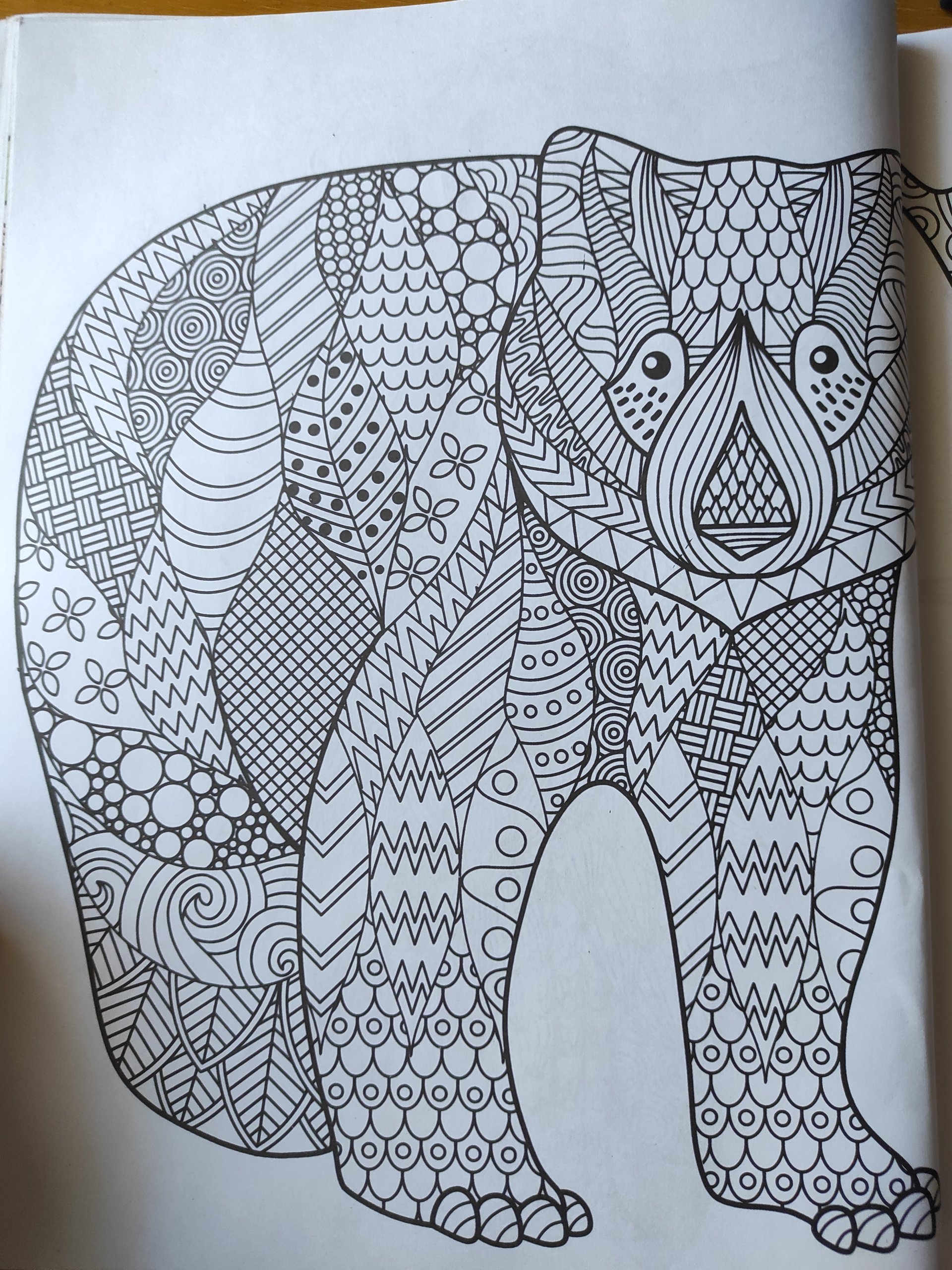
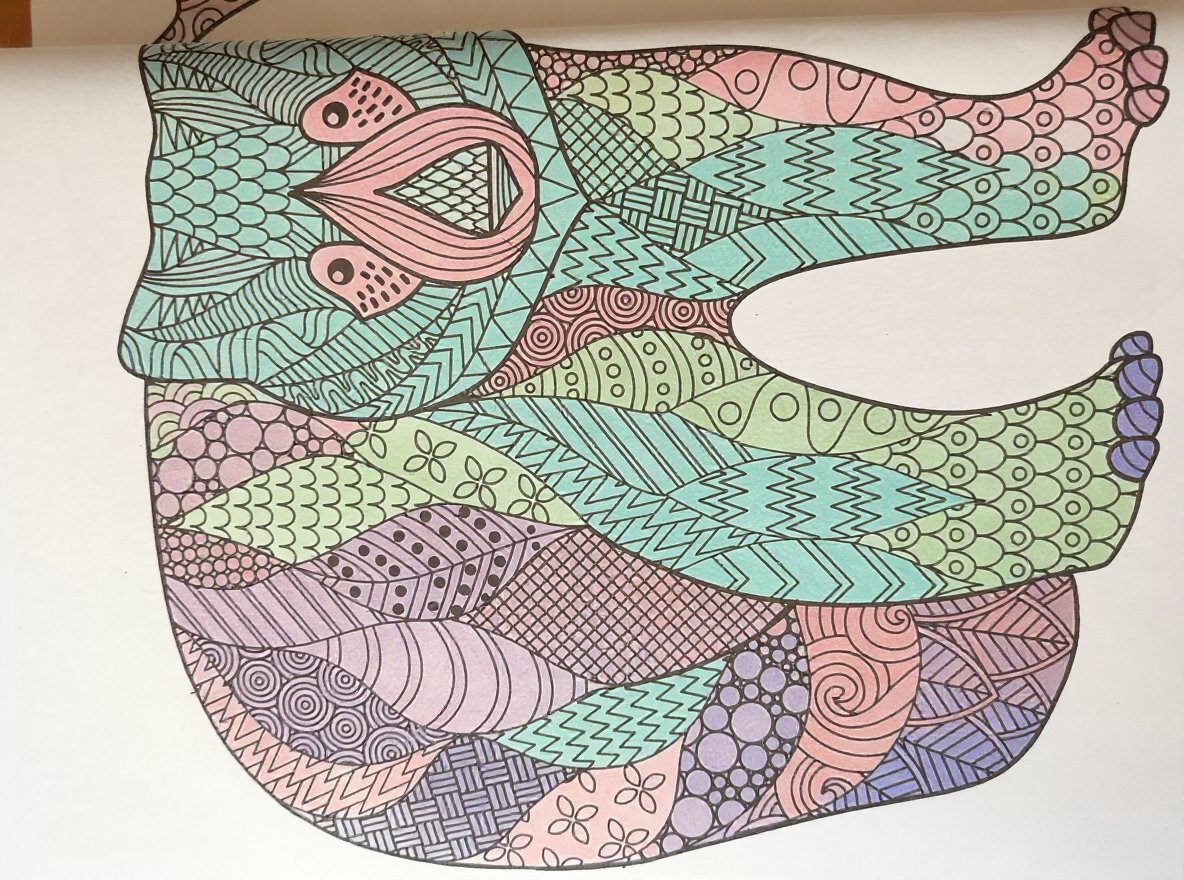
For something cute and dreamy, a Pastel Bear would look lovely — soft pink, mint green, baby blue, and lavender tones mixed across its body
Input Image:
Colored Result:
Color Analysis
Jun 13, 2025
User's Prompt/Instruction:
I want to show LED lights that have a retro color pallette that reminds you of SMPTE color bars that you would see on a television screen. Please provide 10 different colors that would work on an actual LED light.
Input Image:
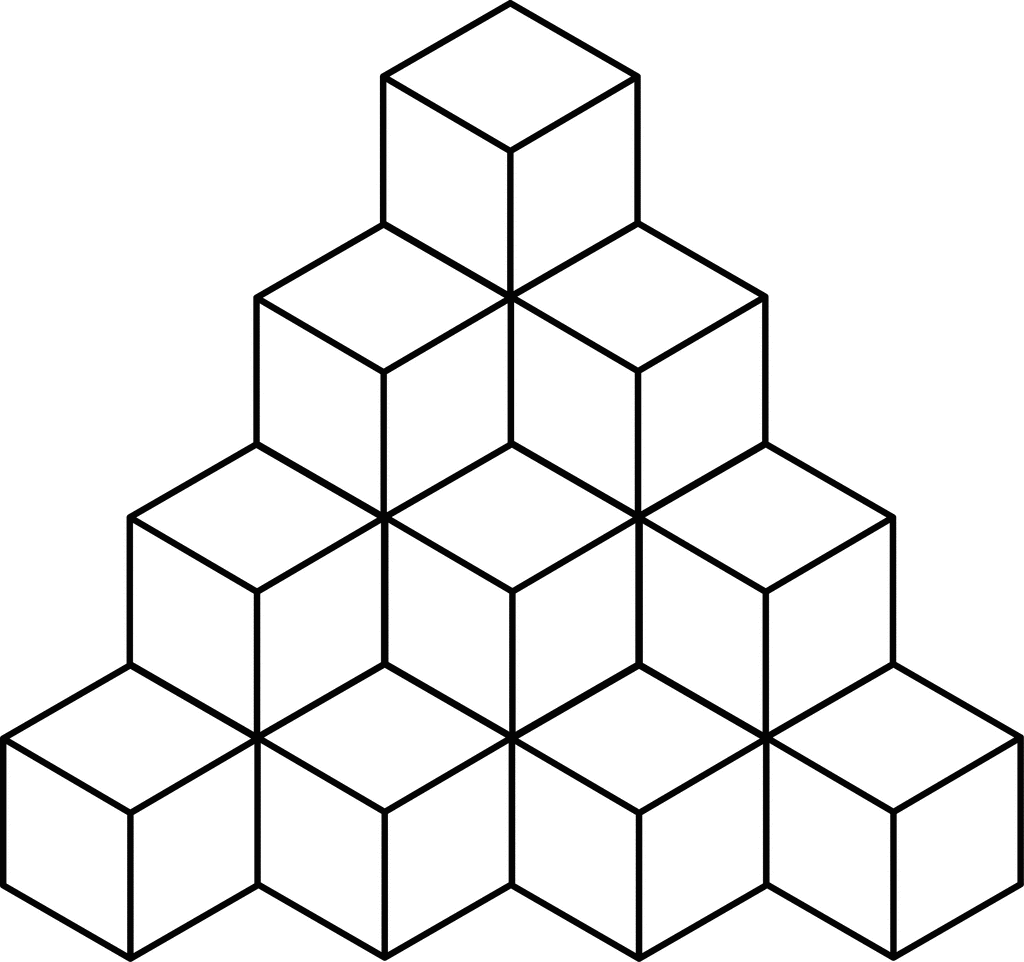
Color Analysis:
Visual Coloring
May 9, 2025
User's Prompt/Instruction:
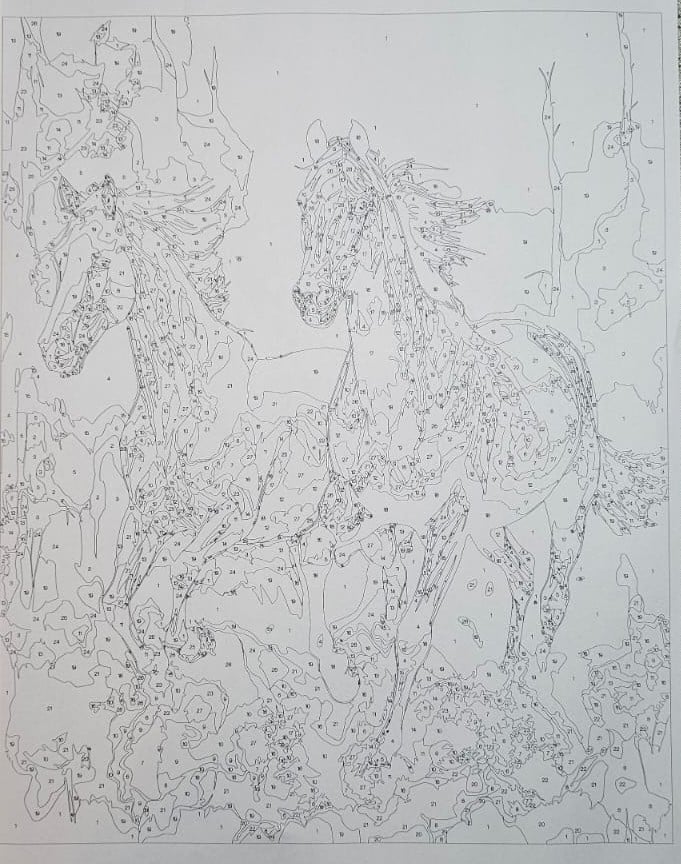
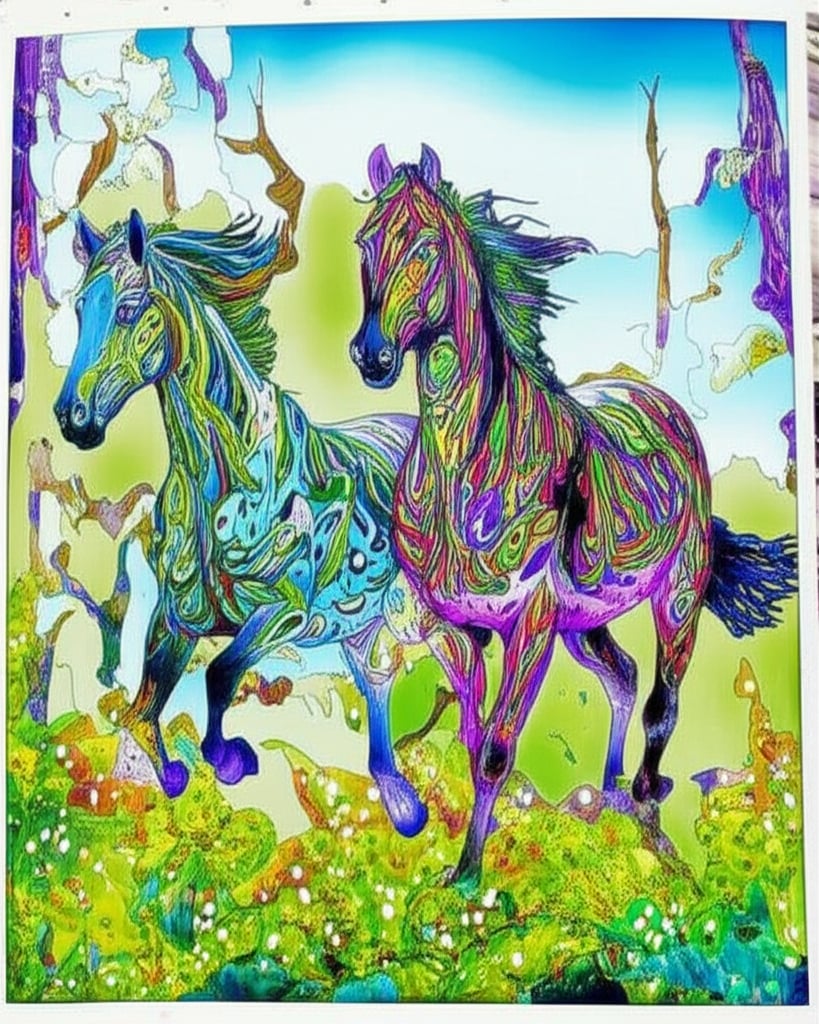
I would like the horses to be in blues, purples, greens and the background to have complementing colours.
Input Image:
Colored Result:
Related Color Themes & Inspiration
Explore More Color Themes
Discover other popular color inspirations similar to would