Back to Gallery
Color Theme

retro Style Coloring Pages

12 AI-generated color inspirations for "retro" theme coloring pages and artwork

AdSense Placeholder (Slot: 3395975636)

Vintage Vibes: Retro Coloring Pages for All Ages

Step back in time with our captivating collection of retro coloring pages. Designed using advanced AI technology, each page features vintage patterns, nostalgic designs, and playful elements reminiscent of past decades. Perfect for kids and adults alike, these printable coloring pages are sure to inspire creativity while providing a relaxing activity. Whether you're a coloring enthusiast or just looking for a unique way to unwind, our retro-themed pages await your artistic touch!

Retro Color Gallery & Examples

All Retro Color Inspirations

Visual Coloring

Sep 7, 2025

Visual ColorPal

User's Prompt/Instruction:

retro

Input Image:
Vintage style retro coloring page with groovy patterns

Colored Result:

Printable retro-themed coloring page featuring classic designs

Color Analysis

Jun 13, 2025

ColorPal

User's Prompt/Instruction:

retro colors on an LED light

Input Image:
Printable retro-themed coloring page featuring classic designs

Color Analysis:

Color Recommendations

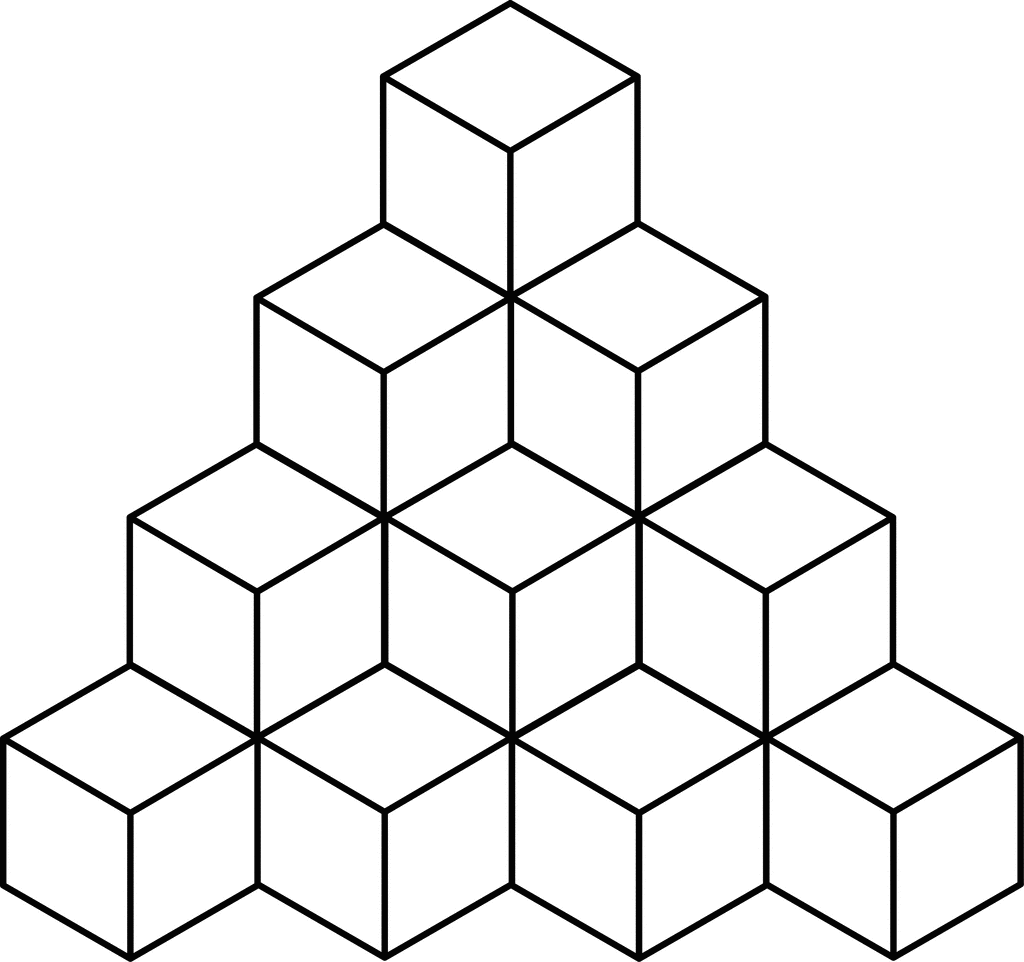
  • Top Left Cube - Neon Pink: #FF6EC7
  • Top Middle Cube - Electric Blue: #7DF9FF
  • Top Right Cube - Lime Green: #32CD32
  • Middle Left Cube - Bright Orange: #FFA500
  • Center Cube - Vibrant Yellow: #FFFF00
  • Middle Right Cube - Turquoise: #40E0D0
  • Bottom Left Cube - Hot Pink: #FF69B4
  • Bottom Middle Cube - Aqua: #00FFFF
  • Bottom Right Cube - Pale Violet: #EE82EE

Analysis

The selected colors are based on a retro theme often seen in 1980s graphic designs and LED displays. These colors have high brightness and saturation, capturing the vibrant and energetic aesthetic of the era. Neon pink, electric blue, and lime green are typical of retro lighting and graphics, providing a sense of nostalgia and dynamic energy.

The colors work well together because they utilize analogous and complementary relationships. For instance, the combination of vibrant yellow and bright orange creates harmony, while contrasts like pink and green provide visual interest and liveliness.

Tips for Coloring

  1. Blending Technique: Use a soft blending tool or your fingertip to merge colors gently where cubes meet for a glowing transition effect.

  2. Shading Advice: Begin coloring lightly and gradually build up layers. Add a slightly darker shade on the edges of each cube to create depth and a 3D effect.

  3. Adding Texture: Introduce subtle hatching or stippling within each cube to mimic the grainy appearance of retro LED displays.

  4. Highlighting: Use white or a very light yellow in small areas to simulate light reflection, enhancing the illuminated look of the cubes.

  5. Balance and Contrast: Balance bright colors with some neutral tones in surrounding areas if applicable, to prevent the design from becoming overwhelming.

Color Analysis

Jun 13, 2025

ColorPal

User's Prompt/Instruction:

retro colors on an LED light

Input Image:
AI generated coloring page showcasing nostalgic motifs

Color Analysis:

Color Recommendations

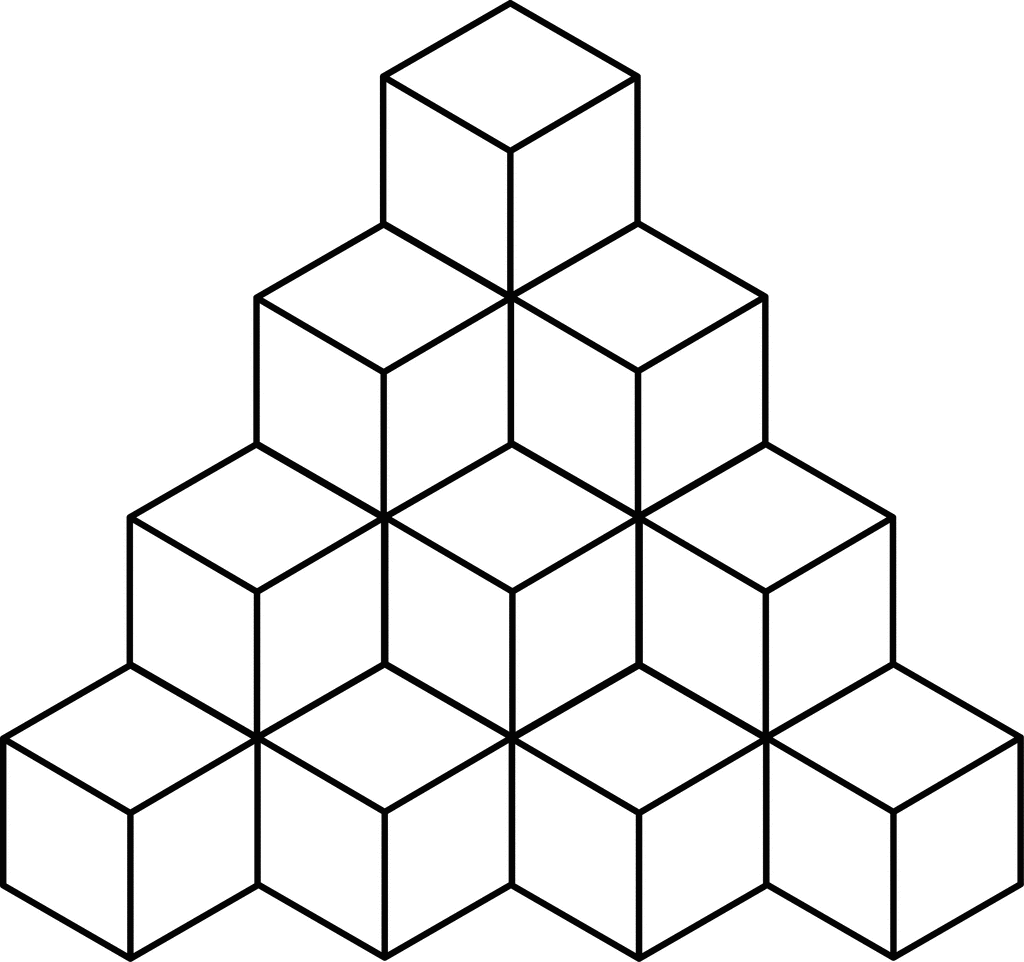
  • Top Cube - Neon Pink: #FF6EC7
  • Middle Row Cubes - Bright Teal: #00F9FF
  • Bottom Cubes - Electric Blue: #7DF9FF
  • Background - Deep Purple: #800080

Analysis

The color choices are inspired by a retro theme often associated with vibrant and electric hues typical of the 1980s aesthetic. Neon pink is dynamic and eye-catching, while bright teal adds a splash of energetic coolness. Electric blue complements the palette with its vivid saturation, enhancing the lively aesthetic. Deep purple as a background color provides contrast and depth, grounding the bright colors and adding a hint of mystery, which is synonymous with retro styles often seen in vintage arcade games or neon signs.

Tips for Coloring

  1. Blending Techniques: For a smooth transition between colors, especially where cubes touch, use a light hand to layer colors gradually. Start with the lighter color and gently blend the darker color over it.

  2. Shading Advice: To add dimension, apply a slightly darker shade on one side of each cube to mimic a light source. This will enhance the 3D effect of each element.

  3. Adding Depth: Use a bit of white or a lighter shade in the middle of the cubes to give them a glowing effect, reinforcing the LED light theme.

  4. Texture Suggestions: To create a textured look that emulates old-style LED displays, consider stippling (dotting) in the color application. This can simulate a pixelated effect characteristic of retro technology.

  5. Highlighting: Apply white or a pastel color sparingly on edges to add highlights, which can create a sense of polish and enhance the vibrancy of neon colors.

Color Analysis

Jun 13, 2025

ColorPal

User's Prompt/Instruction:

retro colors on and LED light

Input Image:
Colorful retro-inspired illustrations for creative adults

Color Analysis:

Color Recommendations

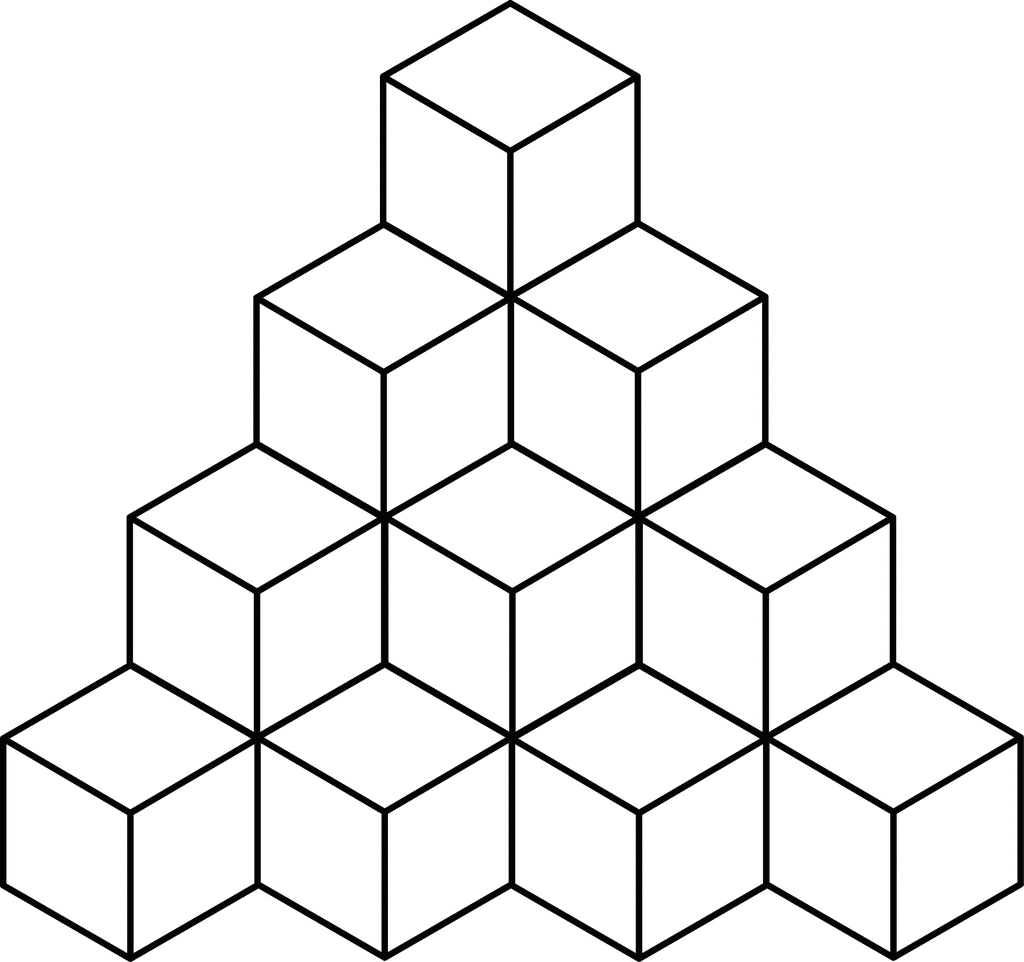
  1. Cube Face 1 - Neon Pink: #FF6EC7
  2. Cube Face 2 - Electric Blue: #7DF9FF
  3. Cube Face 3 - Bright Yellow: #FFFF66
  4. Background - Deep Purple: #8903A0

Analysis

The recommended colors are chosen to reflect a retro aesthetic commonly associated with vibrant, neon hues reminiscent of the 1980s. Neon Pink and Electric Blue capture the lively, dynamic essence of the era, while Bright Yellow adds energy and optimism. Deep Purple in the background provides a rich, contrasting backdrop that allows the neon colors to stand out more vividly. This combination mimics the glow of retro LED lights, enhancing the nostalgic theme.

Tips for Coloring

  1. Blending Neon Colors: Use a lighter pressure when first applying the colors and gradually build up the intensity to create a glowing effect typical of LED lights. Layer Electric Blue and Neon Pink lightly at the edges where they meet to create a soft blend.

  2. Creating Depth: Add a touch of white to the center of each cube face to simulate light reflecting off the surface. This will give the illusion of depth and make the cubes appear three-dimensional.

  3. Emphasizing the Retro Feel: Use a stippling technique with a fine tip in the background to mimic the grainy texture of old LED displays, enhancing the retro vibe.

  4. Shading Advice: Apply deeper shades of the same colors (e.g., Dark Magenta, Royal Blue) along the edges of each cube face to add shadow and dimension.

  5. Maintaining Clean Lines: Use a ruler or straight edge when coloring the edges to ensure precise application, emphasizing the geometric nature and clean lines of the design.

Color Analysis

Jun 13, 2025

ColorPal

User's Prompt/Instruction:

I want to show LED lights that have a retro color pallette that reminds you of SMPTE color bars that you would see on a television screen. Please provide 10 different colors that would work on an actual LED light.

Input Image:
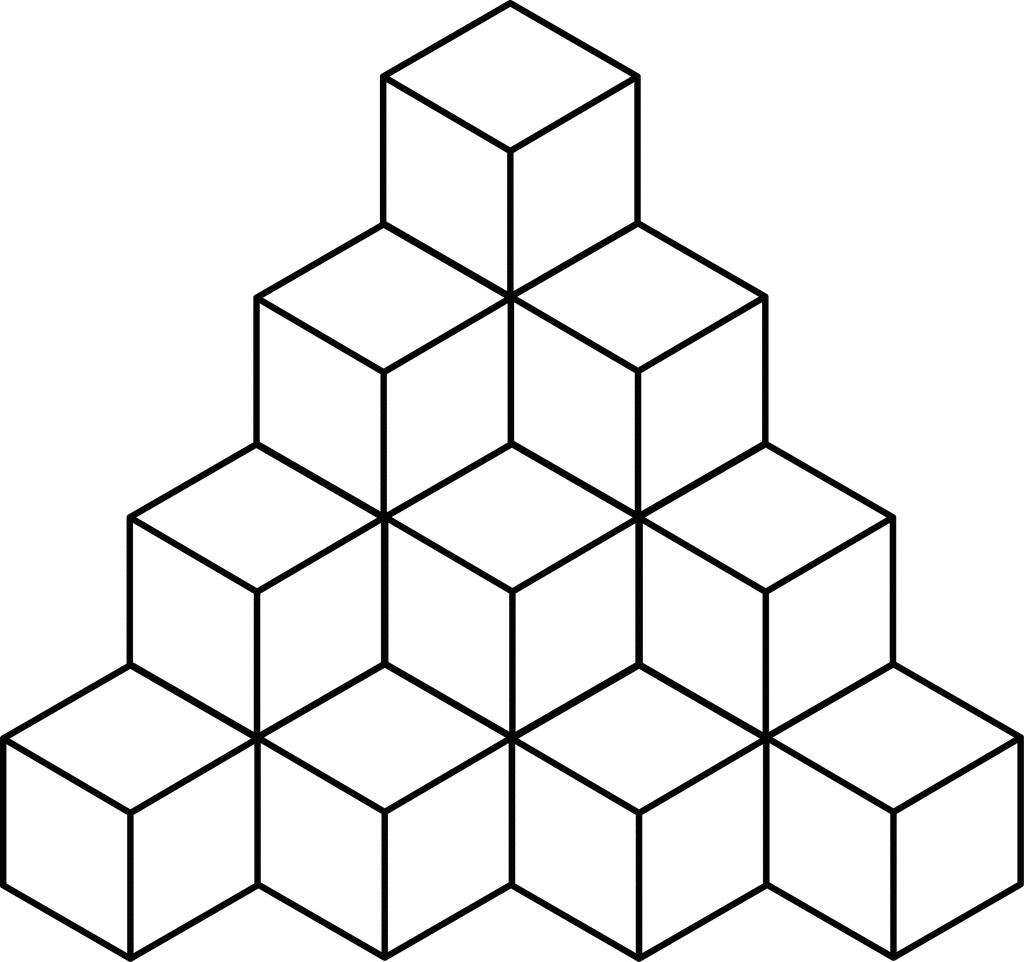
Fun retro coloring page with iconic 70s and 80s elements

Color Analysis:

Color Recommendations

  1. Front Face 1 - Light Pink: #FFC0CB
  2. Front Face 2 - Cyan: #00FFFF
  3. Front Face 3 - Yellow: #FFFF00
  4. Side Face 1 - Light Green: #32CD32
  5. Side Face 2 - Blue: #0000FF
  6. Top Face 1 - Magenta: #FF00FF
  7. Top Face 2 - Red: #FF0000
  8. Side Face 3 - Dark Green: #008000
  9. Top Face 3 - Orange: #FFA500
  10. Front Face 4 - Violet: #8A2BE2

Analysis

The selected colors mimic the vibrant retro palette reminiscent of SMPTE color bars. These colors are highly saturated and evoke a sense of nostalgia and playfulness. Using these colors for LEDs conveys vivid brightness and clarity, making each cube segment distinct yet harmoniously part of a unified design. The contrast between adjacent colors can enhance visual interest and guide the viewer's eye through the composition, maintaining a captivating balance between the old-school appeal and modern LED vibrancy.

Tips for Coloring

  1. Blending Technique: Use a small blending tool or a soft brush to gently merge the edges where two contrasting colors meet. This can soften transitions while maintaining each color's distinctive vibrancy.

  2. Shading Advice: Add subtle shading with a light grey or a slightly darker shade of each color on one side of the cubes to simulate depth and dimensionality. This can give the illusion of light reflecting off a surface.

  3. Layering Method: Apply the colors in layers—start with a base layer and slowly add more to achieve the desired saturation and intensity. This can help you achieve a more even application and richer color.

  4. Texture Addition: To simulate the glow of LED lights, consider adding a slight halo effect around the edges of each colored section with a white pencil or paint pen.

  5. Consistency: Keep the application consistent across similar elements to maintain cohesiveness. Ensure that the texture and saturation are uniform across all cubes to prevent one area from overpowering the others.

Color Analysis

Jun 13, 2025

ColorPal

User's Prompt/Instruction:

Retro color scheme that reminds you of SMPTE color bars. Keep in mind that these colors may change every 5 seconds

Input Image:
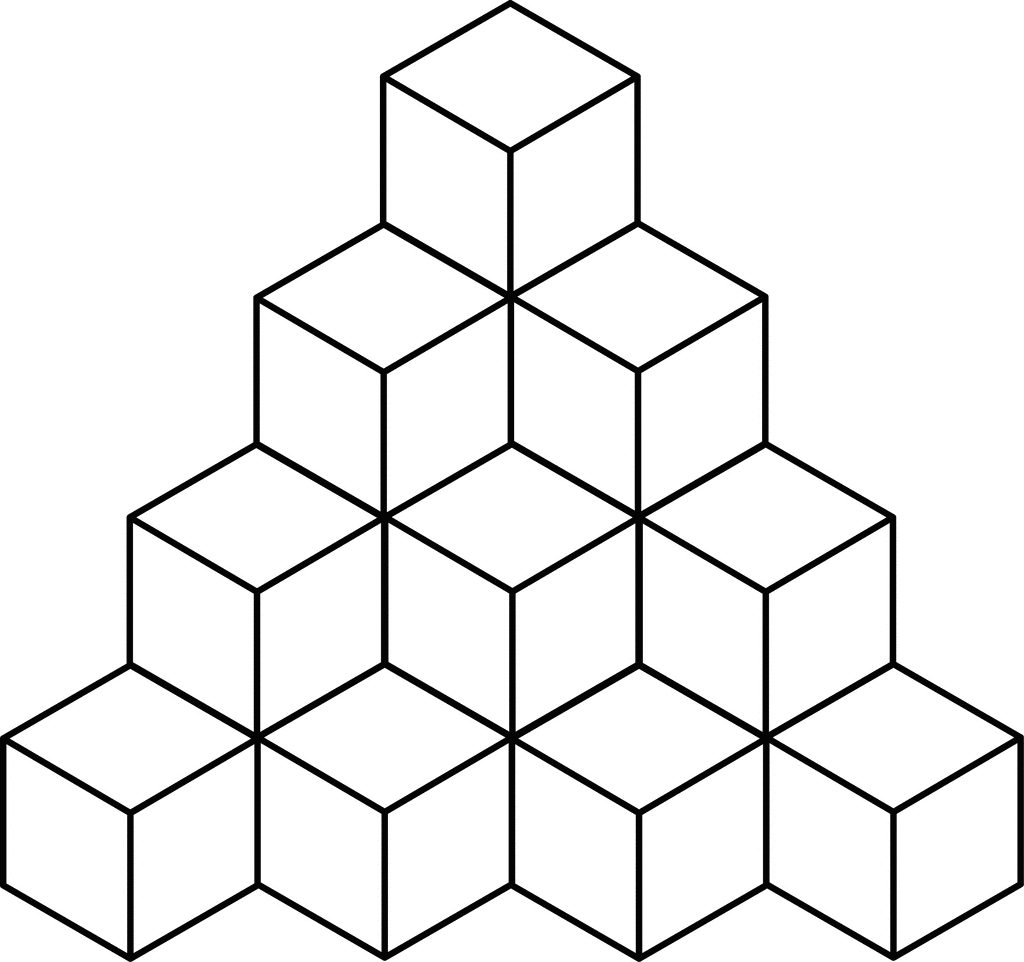
Vintage style retro coloring page with groovy patterns

Color Analysis:

Color Recommendations

  • Top Cube - Dark Green: #006600
  • Middle Left Cube - Yellow: #FFFF00
  • Middle Right Cube - Cyan: #00FFFF
  • Bottom Left Cube - Red: #FF0000
  • Bottom Middle Cube - Magenta: #FF00FF
  • Bottom Right Cube - Blue: #0000FF
  • Background - Gray: #BEBEBE

Analysis

The recommended colors mirror the classic SMPTE color bars used in video broadcasting, which evoke a retro, vibrant feel. Each bold color contrasts sharply against the others, creating a striking visual that plays with perception and depth. The use of contrasting bright and dark colors also adds a dynamic, energetic vibe to the image, keeping the viewer's attention.

Tips for Coloring

  1. Blending Techniques: Use a soft blender or white pencil to gently mix the colors within each cube to create a smoother transition and reduce harsh lines.

  2. Shading Advice: Apply more pressure on one side of each cube to give the appearance of a light source and added dimension.

  3. Adding Depth: Introduce a thin line of a darker shade along the edges of the cubes to enhance the 3D effect.

  4. Texture Variation: Use cross-hatching or stippling techniques within each cube to create a textured effect, adding a retro vibe reminiscent of vintage graphic styles.

  5. Consistent Background: Keep the background color consistent to maintain focus on the colorful cubes while providing a neutral base that complements the vivid hues.

Color Analysis

Jun 13, 2025

ColorPal

User's Prompt/Instruction:

Retro color scheme that reminds you of SMPTE color bars

Input Image:
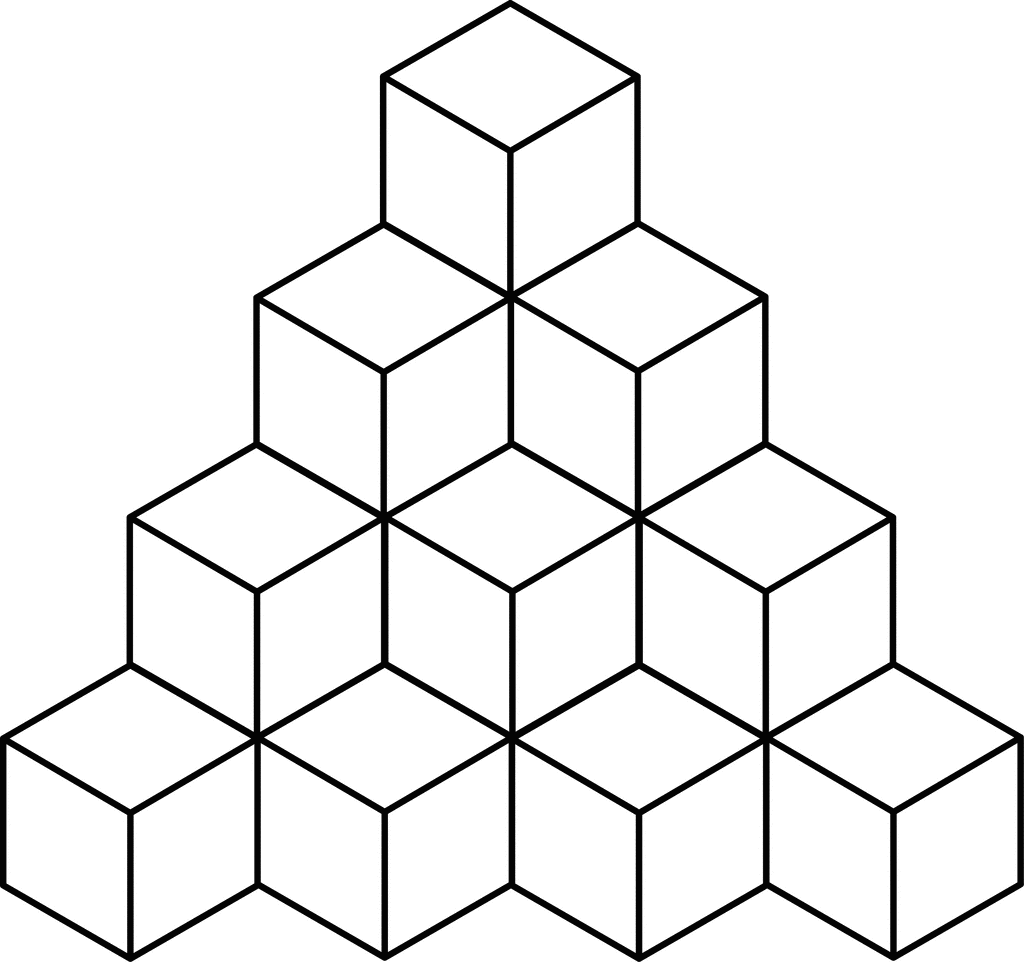
Printable retro-themed coloring page featuring classic designs

Color Analysis:

Color Recommendations

  • Top Row Cube - Light Cyan : #00FFFF
  • Second Row Left Cube - Magenta : #FF00FF
  • Second Row Middle Cube - Yellow : #FFFF00
  • Second Row Right Cube - Blue : #0000FF
  • Third Row Left Cube - Red : #FF0000
  • Third Row Middle Cube - Green : #00FF00
  • Third Row Right Cube - White : #FFFFFF
  • Background - Gray : #808080

Analysis

The recommended colors are inspired by the classic SMPTE color bars, which are often used in television for testing. These colors are bright, bold, and provide a high-contrast, retro aesthetic. This palette is effective for creating a visually striking and nostalgic theme. The combination of primary and secondary colors with gray adds balance and ensures the cubes stand out against the background. Each color complements the others, creating a harmonious look reminiscent of vintage television screens.

Tips for Coloring

  1. Consistent Pressure: Use consistent pressure when coloring to maintain uniformity, especially with vibrant colors.

  2. Blending: For a seamless blend between colors (e.g., Magenta and Cyan), use colored pencils gently and overlap slightly.

  3. Shading: Add depth by applying more pressure along the cube edges, softening towards the center, to give a three-dimensional effect.

  4. Highlight with White: Use white pencil to blend and soften areas, providing a retro glow when combined with the bright colors.

  5. Texture Variations: Experiment with different stroke techniques (cross-hatching, circular) to add visual interest and texture to the cubes.

Color Analysis

Jun 13, 2025

ColorPal

User's Prompt/Instruction:

Retro color scheme that reminds you of a time machine

Input Image:

AI generated coloring page showcasing nostalgic motifs

Color Analysis:

Color Recommendations

  • Top Cubes - Mustard Yellow: #D4AF37
  • Middle Cubes - Teal Blue: #008080
  • Bottom Cubes - Burnt Orange: #CC5500
  • Lines/Edges - Dark Brown: #4B3621

Analysis

The retro color scheme is reminiscent of designs from the 1960s and 1970s, often characterized by warm, earthy tones combined with bold accents. The mustard yellow, teal blue, and burnt orange harmonize well, creating a nostalgic feel. The mustard yellow gives a gold-like appearance, adding a hint of sophistication, while the teal blue offers a cool contrast. The burnt orange provides warmth and energy, reminiscent of vintage interior designs. The dark brown lines outline the cubes, grounding the palette and highlighting retro aesthetics seen in mid-century furnishings and posters.

Tips for Coloring

  1. Blending Techniques: Use a soft touch when blending the mustard yellow and burnt orange for a gradient effect, creating an aged, cohesive look.

  2. Shading Advice: Add shadows with a darker shade of each color on one side of each cube to create a 3D effect, emphasizing the geometric nature.

  3. Adding Depth: Apply a layer of very light brown or beige over the entire design to give a slightly faded, antique feel typical of retro styles.

  4. Highlighting Edges: Use a small amount of white to lightly highlight cube edges to emphasize dimensionality and create contrast.

  5. Texture Suggestions: For a textured look, use cross-hatching in the darker areas to mimic the rough, tactile surfaces often found in retro décor.

Color Analysis

Jun 13, 2025

ColorPal

User's Prompt/Instruction:

Retro color scheme that reminds you of LED lights

Input Image:
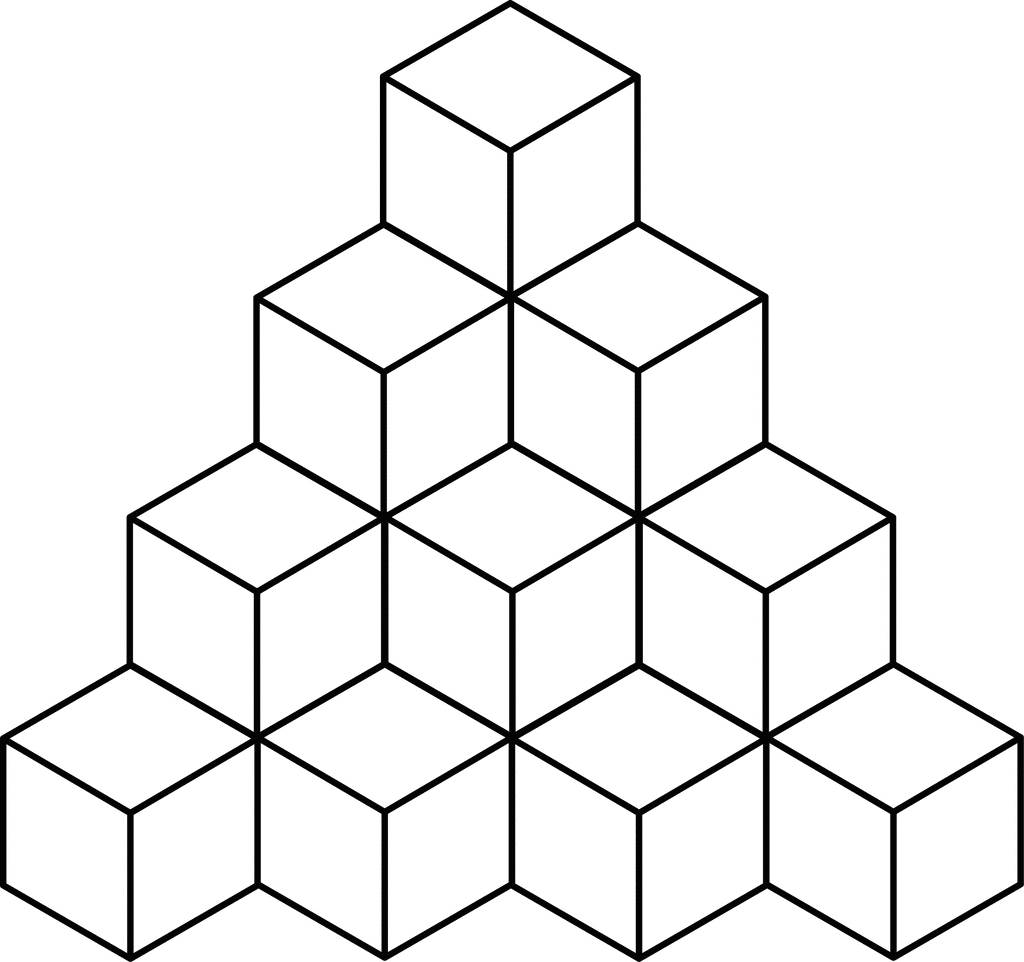
Colorful retro-inspired illustrations for creative adults

Color Analysis:

Color Recommendations

  • Top Boxes - Cyan: #00FFFF
  • Middle Boxes - Magenta: #FF00FF
  • Bottom Boxes - Yellow: #FFFF00
  • Outlines - Black: #000000

Analysis

The use of bright, vibrant colors such as cyan, magenta, and yellow mimic the feel of retro LED lights, which often have a bright and neon-like appearance. These specific colors form the secondary palette in color theory, which are visually striking and energetic, aligning well with the retro theme. The black outlines provide contrast and definition, helping the colors stand out and creating a crisp, clear visual structure.

Tips for Coloring

  1. Blending Techniques: Use a blending pencil or a soft tissue to gently blend the edges where two colors meet, creating a smooth transition that mimics the glow of LED lights.

  2. Layering Colors: Start with a lighter pressure when applying color, then gradually build up layers to intensify the vibrancy. This approach will enhance the LED-like effect.

  3. Adding Depth: Introduce a small amount of dark blue or deep purple to the edges of the boxes to give them a 3D effect, enhancing the retro-futuristic appearance.

  4. Texture Variation: For a slightly different texture, consider using colored pencils for the background and gel pens for the boxes. The gel pens will make the colors pop, resembling the glow of actual lights.

  5. Highlighting: Leave small areas white or use a white gel pen to add highlights and create a reflective look, similar to light bouncing off a shiny surface.

Color Analysis

Jun 13, 2025

ColorPal

User's Prompt/Instruction:

Retro color scheme that reminds you of the lights on the time machine from back to the future. Please show many different colors

Input Image:

Fun retro coloring page with iconic 70s and 80s elements

Color Analysis:

Color Recommendations

  • Top Cubes - Neon Blue: #00FFFF
  • Middle Cubes - Electric Purple: #9370DB
  • Bottom Cubes - Bright Pink: #FF69B4
  • Cube Edges - Bright Yellow: #FFFF00
  • Background - Deep Black: #000000

Analysis

The chosen colors reflect a retro-futuristic palette reminiscent of classic sci-fi, particularly inspired by the vibrant lights seen on the iconic time machine from "Back to the Future." Neon Blue and Electric Purple capture the quintessential 80s aesthetic often associated with digital and technological innovation. Bright Pink adds a playful contrast, while Bright Yellow for the edges enhances the sharp, dynamic appearance of the geometric design. Deep Black for the background makes the neon colors pop, creating a striking visual effect that suggests depth and dimensionality.

Tips for Coloring

  1. Blending and Transitions: Graduated shading between the Electric Purple and Neon Blue can create a holographic effect, enhancing the futuristic vibe.

  2. Highlight Edges: Use a white or very light pencil to add highlights on the cube edges. This will enhance the three-dimensional effect and mimic the glow of neon lights.

  3. Depth with Shadows: Use darker shades of purple and blue along the bottom areas of each cube to create depth. Consider how light would naturally fall on the cubes.

  4. Accent with Glitter: To simulate the sparkle of neon lights, consider using glitter gel pens or metallic markers on some edges or highlights.

  5. Uniform Background: Ensure the Deep Black background is evenly applied to give the neon colors maximum contrast, emphasizing their brightness and vividness.

Color Analysis

Jun 13, 2025

ColorPal

User's Prompt/Instruction:

Retro color scheme that reminds you of the lights on the time machine from back to the future

Input Image:

Vintage style retro coloring page with groovy patterns

Color Analysis:

Color Recommendations

  • Top Row Cubes - Neon Pink: #FF6EC7
  • Middle Row Cubes - Electric Blue: #7DF9FF
  • Bottom Row Cubes - Bright Yellow: #FFFF33
  • Cube Outlines - Dark Grey: #404040

Analysis

The recommended colors are inspired by a retro, vibrant palette reminiscent of 1980s aesthetics, similar to the lighting effects from "Back to the Future." Neon pink, electric blue, and bright yellow create a lively contrast and energetic vibe, capturing the essence of that era. Dark grey outlines serve as a grounding element, ensuring each cube stands out without overshadowing the vivid interior colors. This combination effectively balances vibrancy with clarity, maintaining a sense of nostalgia and futuristic excitement.

Tips for Coloring

  1. Gradient Techniques: For a dynamic effect, create gradients within each cube. Blend the neon pink, electric blue, and bright yellow with a white pencil starting from the center to the edges, for a glowing effect.

  2. Shading: Use a darker shade of each main color along the edges of the cubes to add depth and dimension. This will enhance the 3D feel and make the cubes appear more luminous.

  3. Texture: Apply a light, cross-hatching technique with colored pencils on the cube surfaces. This can mimic the reflective, shiny texture often seen in retro-futuristic designs.

  4. Contrast Enhancement: To amplify the vibrancy, ensure the cube outlines remain dark. Touch up with a fine black pen if necessary after coloring to redefine edges.

  5. White Highlights: Add small white highlights or dots in corners using a gel pen to simulate the sparkle and shine of neon lights.

Color Analysis

Jun 13, 2025

ColorPal

User's Prompt/Instruction:

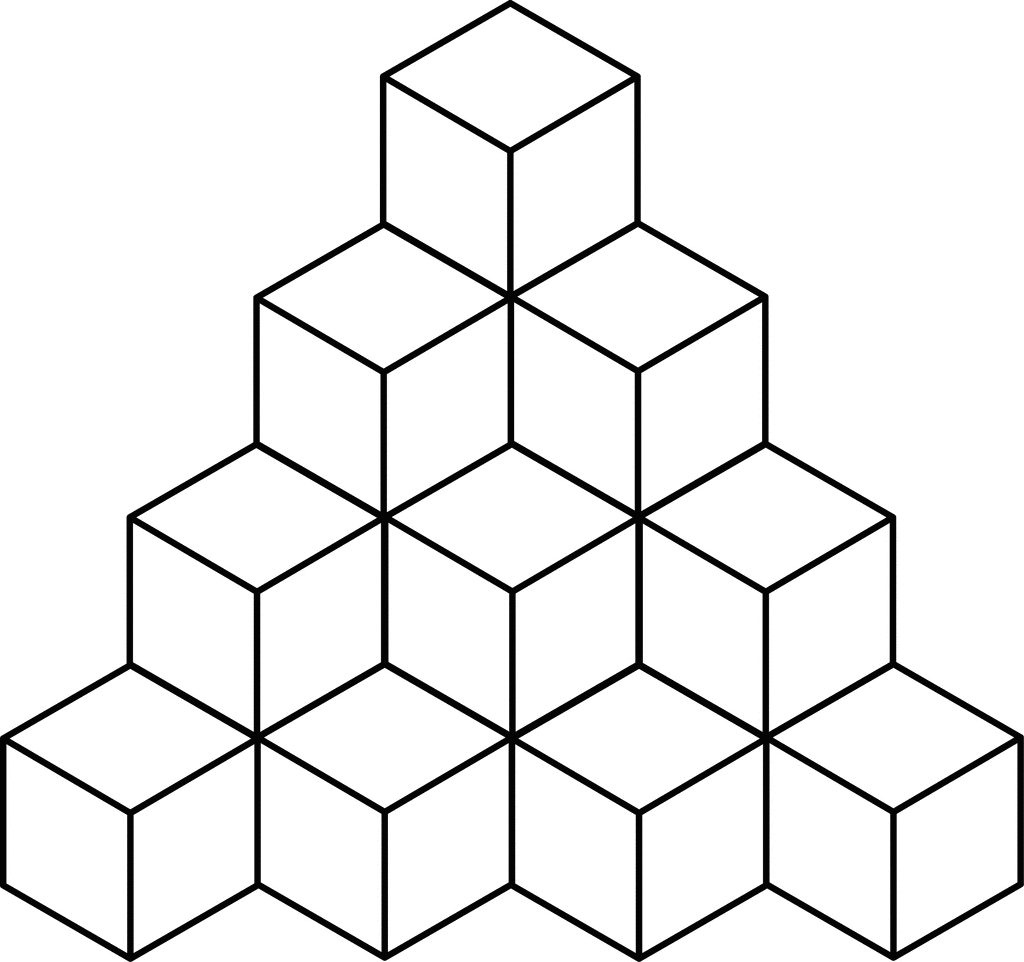
Retro color scheme

Input Image:
Printable retro-themed coloring page featuring classic designs

Color Analysis:

Color Recommendations

  • Top Cube - Mustard Yellow: #FFDB58
  • Middle Cube - Teal Blue: #008080
  • Bottom Cube - Burnt Orange: #CC5500
  • Shadowed Sides - Olive Green: #556B2F
  • Background - Cream: #FFFDD0

Analysis

The retro color scheme draws from palettes popular in the 1960s and 70s. Mustard yellow and burnt orange evoke nostalgia, often seen in mid-century modern design. These colors work together by offering a warm yet vibrant contrast, enhancing the geometric shapes of the cubes. Teal blue adds a cool, subdued contrast, balancing the warm tones. Olive green shadows provide earthy depth, emphasizing the cube's three-dimensionality. The cream background keeps the focus on the cubes while complementing the entire retro palette.

Tips for Coloring

  1. Layering: Use light, consistent strokes to layer colors. Begin with lighter shades, gradually adding layers for deeper hues, especially for shadows and highlights.

  2. Blending: To achieve a smooth transition between the shadowed sides and the main cube colors, use a blending tool or gently blend with your fingertips.

  3. Shading: Enhance the 3D effect by shading edges and sides with slightly darker variants of the main colors. For example, use a darker mustard or burnt orange on edges farther from the light source.

  4. Texture: Add texture by varying pressure. Light pressure creates a soft wash of color, while heavier pressure deepens the saturation for more emphasis.

  5. Contrast: Maintain clean lines between each cube to ensure they stand out. Consider outlining in a slightly darker shade of the main color to increase definition.

AdSense Placeholder (Slot: 6848953729)

Related Color Themes & Inspiration